
Ledger.com/Start® | Getting started®™ — Ledger Support
Visit Ledger.com/start to configure your Ledger device and learn how to manage crypto accounts, review balances, receive assets, and send funds.
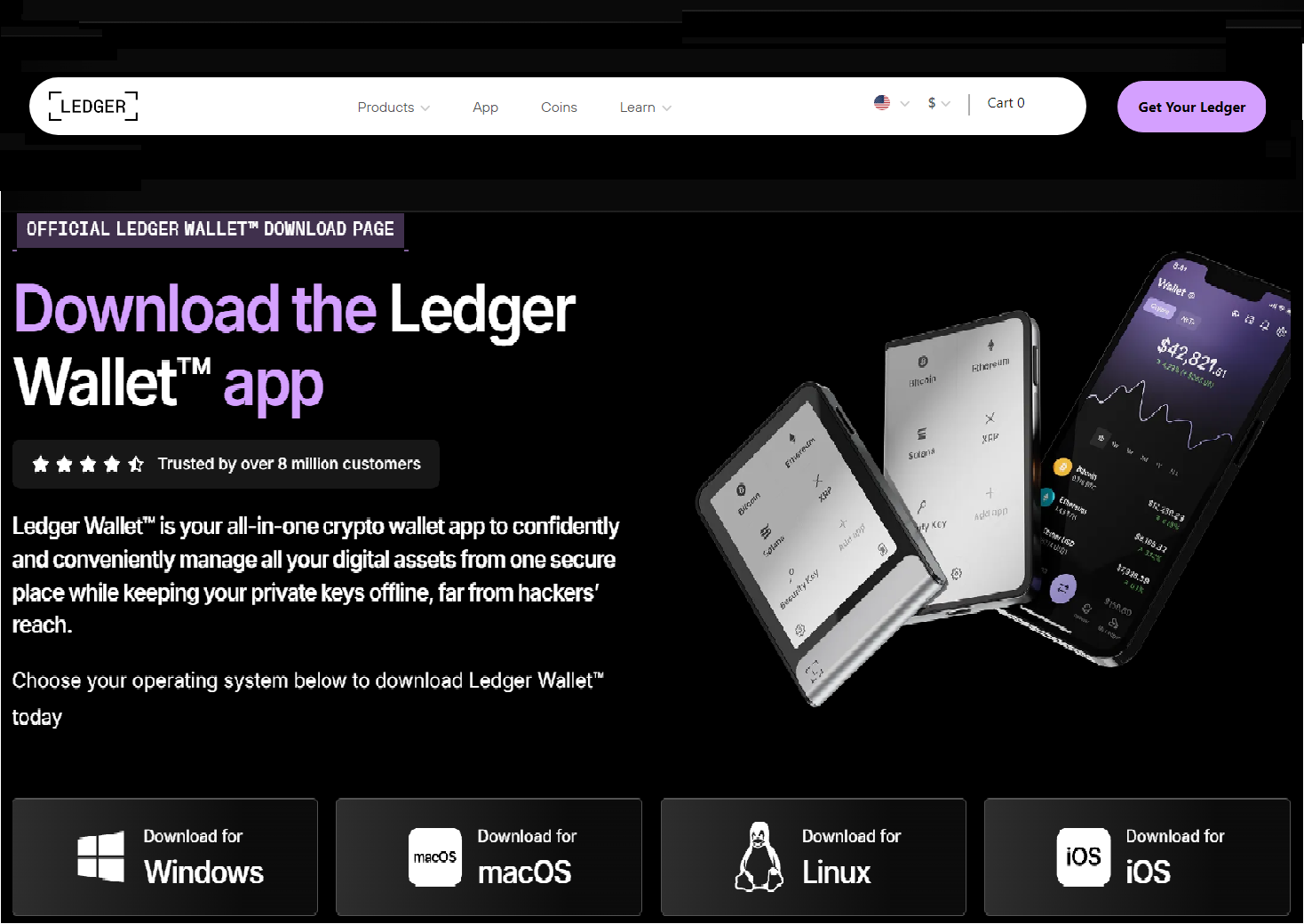
Ledger.com/start: Your First Ledger Wallet Checklist
Getting started with a hardware wallet does not need to be complicated. A simple checklist can help you move through the process without overlooking important security steps. Ledger.com/start provides a useful starting point for understanding how to begin using a Ledger wallet and prepare it for everyday crypto management.
From checking your device to protecting recovery information, each step contributes to a safer setup.
1. Check the Device First
Start by examining your Ledger hardware wallet and the materials that came with it.
If you purchased the device from somewhere other than an authorized source, take extra care before proceeding. Never assume that a website, seller, or message is legitimate simply because it uses Ledger branding.
2. Find the Correct Setup Information
Use the official Ledger website when looking for setup instructions.
Typing the address yourself or using a trusted bookmark can reduce the risk of accidentally visiting a fake website. Avoid links sent through unexpected emails, messages, advertisements, or social media conversations.
3. Complete the Initial Configuration
Connect your device as instructed and follow the setup process shown for your model.
Take your time with device prompts. If you are asked to create security settings or confirm information, make sure you understand what you are approving before continuing.
4. Handle Recovery Information Correctly
Your recovery information deserves special attention.
Keep it offline and in a secure location that only you can access. Do not photograph it, upload it to cloud services, or type it into websites.
Anyone who obtains your recovery information may potentially gain access to the associated wallet assets, so protecting it is essential.
5. Install Compatible Software
Depending on your setup, you may use compatible Ledger wallet software to view accounts and manage supported crypto assets.
Only download software from an official source. Fake wallet applications can be designed to imitate legitimate interfaces and may attempt to collect sensitive information.
6. Add Supported Accounts
Once your device and software are ready, follow the available instructions for adding the crypto accounts you need.
Asset support can vary by device, software, and network, so check the current compatibility information before attempting to manage a particular cryptocurrency.
7. Make a Small Test Transfer
If you are preparing to receive or send cryptocurrency for the first time, understanding the transaction process is useful.
For a new workflow, some users may prefer beginning with a small transaction before moving larger amounts. Always verify the address and transaction information carefully.
8. Keep Security in Mind
Wallet security is an ongoing process rather than a one-time setup.
Ignore unexpected requests for your recovery phrase. Be cautious about fake support accounts, suspicious links, urgent security warnings, and websites that ask for private wallet information.
Frequently Asked Questions
Is Ledger.com/start suitable for beginners?
Yes. It can be used as a starting point for learning the basic wallet setup process.
Where should I keep my recovery information?
Keep it offline in a private and secure location. Avoid storing it digitally.
What if a website asks for my recovery phrase?
Do not provide it. Treat such a request as a serious warning sign.
Should I verify a crypto address before sending?
Yes. Carefully compare the destination information shown during the transaction process and on your hardware device.
Conclusion
Your first hardware-wallet setup becomes easier when you approach it as a checklist. Ledger.com/start can help you begin the process, while careful software selection, private recovery information, and transaction verification can support safer crypto management habits.
Updated about 7 hours ago