
Ledger.com/Start® | Getting started®™ — Ledger Support
Ledger.com/start makes it easier to configure your hardware wallet while providing guidance for crypto accounts, balances, transfers, and everyday management.
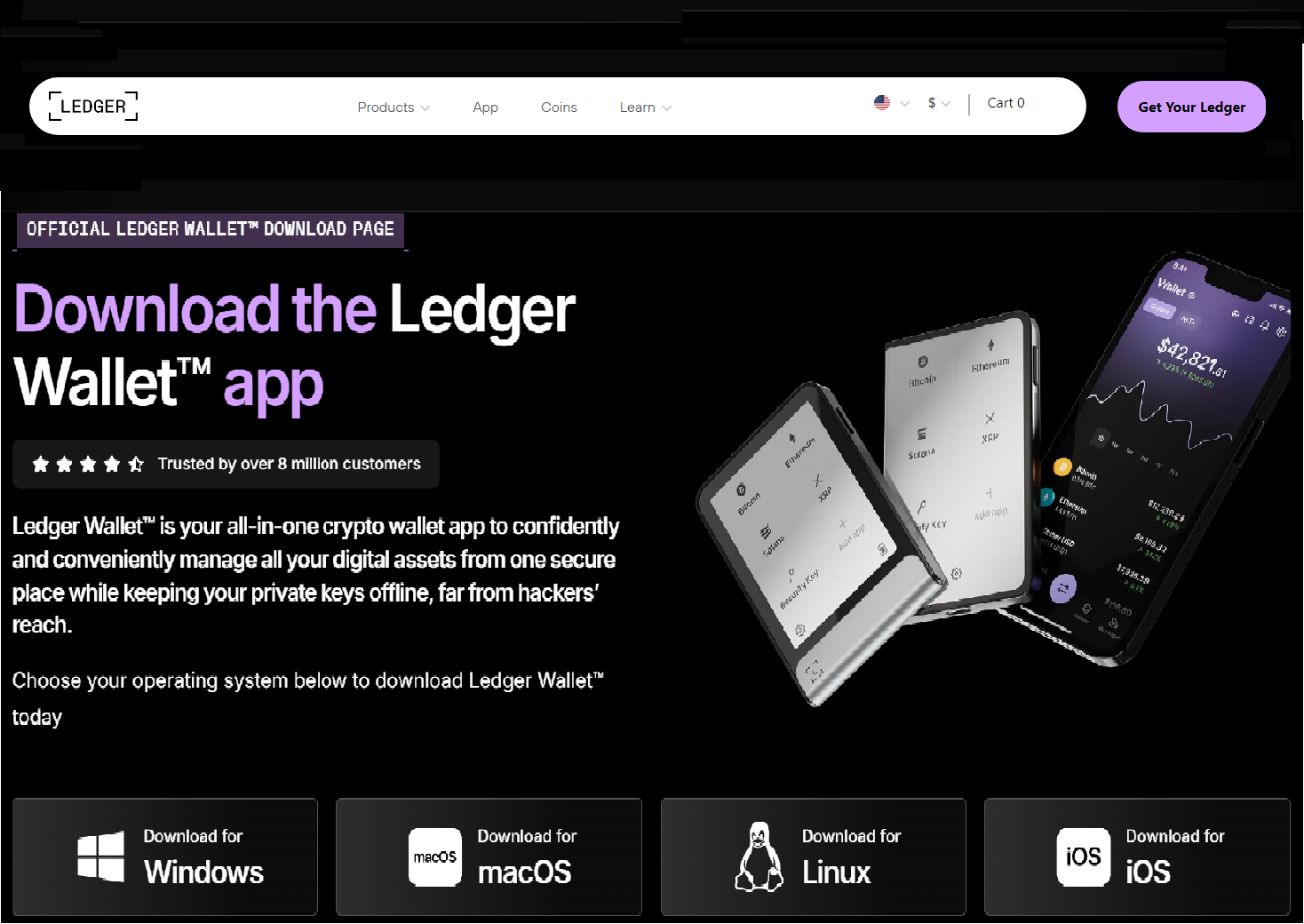
Ledger.com/start: A Practical Path From Setup to Use
Moving from a new hardware wallet to regular crypto management involves several small but important decisions. Understanding the setup process, protecting sensitive information, and developing a transaction-checking routine can make everyday use more organized. Ledger.com/start provides a natural starting point for users learning how to approach their wallet responsibly.
Start With the Basics
Before exploring advanced wallet functions, become comfortable with the fundamentals. Understand how the hardware device connects, how wallet software displays your accounts, and where important transaction information appears.
You do not need to master everything at once. Start with the functions you expect to use most often.
Verify the Setup Source
The source of your setup instructions matters. Use trusted Ledger resources and check the website address before downloading software or following instructions.
Avoid assuming that the first result in a search engine or an unsolicited message is automatically safe.
When a source seems questionable, leave the page and locate trusted information independently.
Give Configuration Your Attention
During setup, read every prompt before taking action. Pay attention to information shown directly on the hardware device when confirmation is required.
If a prompt does not make sense, do not guess. Pause and look for reliable documentation or support information.
A careful setup creates a better foundation for later use.
Keep Recovery Information Secure
Your recovery information should remain private. Do not share it with other people or enter it into websites because someone claims that doing so will unlock, synchronize, or verify your wallet.
Be especially skeptical of requests that arrive unexpectedly.
Keep sensitive information protected and separate from ordinary online accounts.
Understand Your Wallet's Normal State
After setup, review your accounts and learn how your normal wallet activity looks.
Know where to find balances, account information, and transaction history. If you understand your normal environment, unusual activity may be easier to recognize.
Receive Funds With Attention
Before receiving crypto, select the appropriate account and verify the address.
Make sure the network is appropriate for the intended transfer. If someone gives you instructions that seem different from what you expected, clarify them before proceeding.
Send Funds Deliberately
When sending crypto, avoid treating the confirmation screen as a formality.
Compare the destination, amount, asset, and network with what you intended to send. Review the final information presented before approving the transaction.
If there is a mismatch, stop and investigate.
Recognize Suspicious Offers
Some scams promise special assistance, account recovery, rewards, or urgent security fixes. Others imitate familiar wallet websites or support accounts.
Do not let a convincing design or urgent message replace verification. Use trusted channels to determine whether the request is genuine.
Maintain Your Workflow
Once your wallet is set up, keep the same security habits in place. Use trusted software sources, protect physical access to the device, safeguard recovery information, and review transactions carefully.
Consistency is particularly useful when managing crypto over a longer period.
Final Thoughts
The transition from wallet setup to everyday use becomes easier when each stage has a clear purpose. Ledger.com/start can introduce users to the setup journey, while careful source verification, private recovery information, and transaction awareness help support responsible wallet management.
FAQs
What should I learn first after configuring my wallet?
Start by understanding your accounts, balances, supported assets, and basic receiving and sending workflows.
How can I tell whether a setup page is trustworthy?
Check the source and website address rather than relying only on branding or search-result appearance.
Should I respond to an unexpected wallet support message?
Verify the sender independently before taking any action, and never disclose confidential recovery information.
What should I compare before sending crypto?
Compare the destination, asset, network, amount, and final transaction details against your intended transfer.
Can wallet habits improve over time?
Yes. Regularly reviewing your workflow and maintaining consistent security checks can help you manage transactions more carefully.
Updated about 7 hours ago