
Ledger.com/Start® | Getting started®™ — Ledger Support
Ledger.com/start connects wallet setup with helpful resources for managing digital assets, checking balances, organizing accounts, and completing transactions.
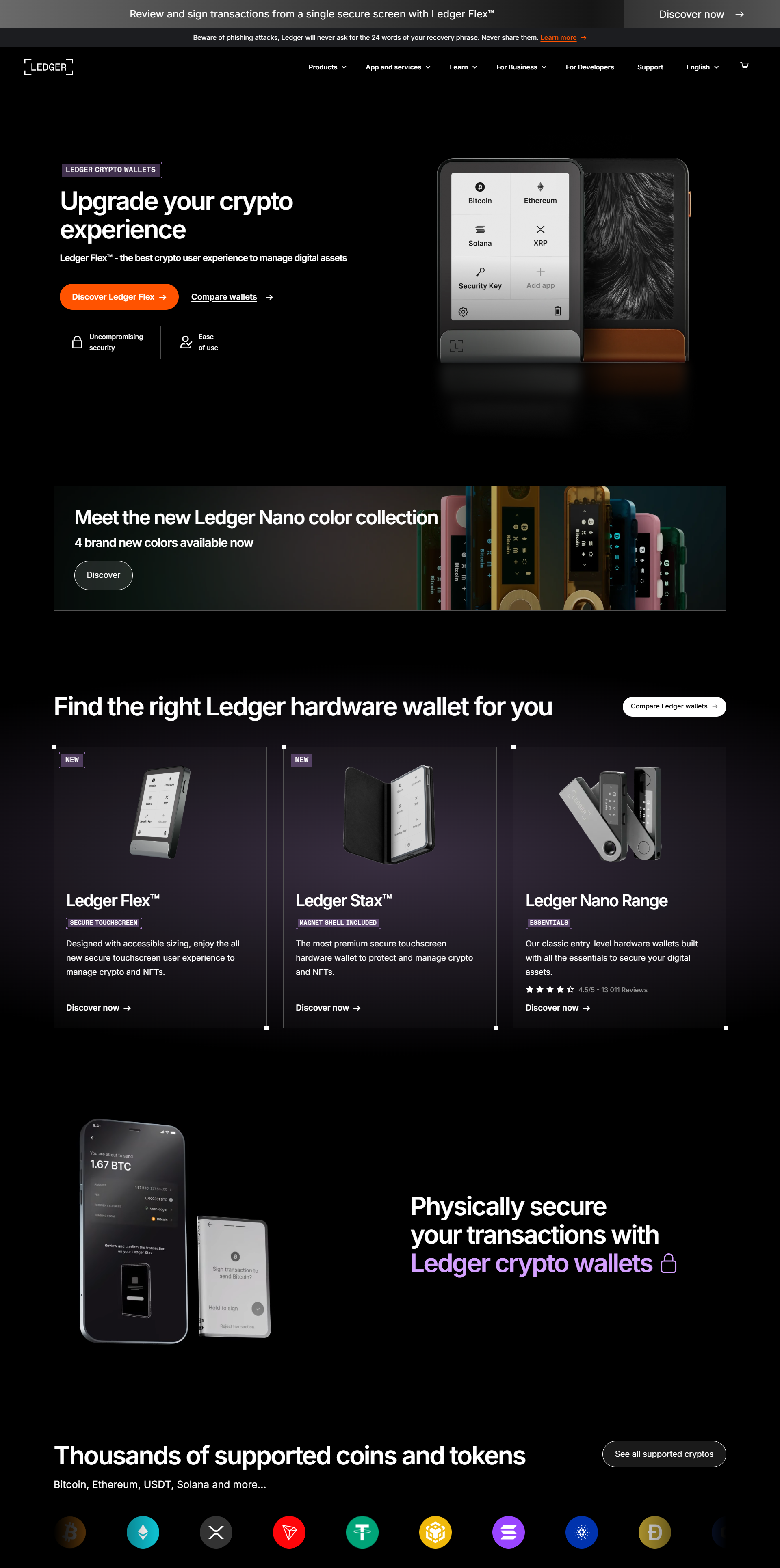
Ledger.com/start: Master the Basics of Wallet Access
A hardware wallet becomes more useful when you understand how its setup and security practices fit together. Rather than focusing only on the first connection, new users can build confidence by learning how to protect access, organize accounts, verify transactions, and identify suspicious activity. Ledger.com/start offers a natural starting point for exploring these fundamentals.
Know What You Are Setting Up
Before using a hardware wallet, understand the basic role it plays in crypto management. The device works alongside wallet software and provides a way to manage and approve certain wallet operations.
Because different assets and networks can have different requirements, avoid assuming that every crypto transaction follows exactly the same process.
Choose Your Setup Source Carefully
One of the first decisions is where you obtain setup information and software. Use trusted Ledger resources and carefully inspect the website address before proceeding.
Search results can contain advertisements or unrelated pages, while scammers may create websites designed to resemble legitimate services.
When something looks unusual, verify it independently.
Give Setup Your Full Attention
During configuration, read prompts rather than clicking through them automatically. Keep your hardware device connected as instructed and follow the sequence provided by the trusted setup process.
If you encounter an unfamiliar request, pause and find reliable information before continuing.
Taking a few extra minutes during setup can prevent unnecessary confusion later.
Keep Private Details Private
Self-custody means taking responsibility for important wallet information. Recovery information should therefore be protected carefully.
Never publish it, send it to another person, or type it into a form provided by an unsolicited contact. Be skeptical of anyone promising to restore access if you first provide private wallet details.
Security begins with controlling who can access sensitive information.
Understand Accounts and Assets
Once your wallet is ready, spend time understanding how accounts and assets appear in the software. Check balances and transaction history so you know what normal activity looks like.
This knowledge becomes useful when you begin receiving or sending funds.
It can also help you notice unusual activity or unexpected information more quickly.
Use Care When Receiving Funds
When someone wants to send crypto to you, verify the receiving address before sharing it. Pay attention to the asset and network involved.
For larger transfers, consider checking the details carefully rather than relying on an old address or a message from another person.
Confirm Details Before Sending
Outgoing transactions deserve a careful review. Before approving a transfer, verify the destination address, amount, asset, network, and any other transaction details presented for confirmation.
If the information is unexpected, do not approve the transaction until the reason is clear.
A deliberate confirmation process is an important part of managing crypto responsibly.
Identify Fake Support
Fake support accounts can use familiar branding and professional-looking language to appear genuine. They may ask users to click links, install software, or provide confidential information.
Do not assume a person is legitimate simply because they know your name or mention details about your wallet.
Verify support information through a trusted source before taking action.
Build a Repeatable Workflow
A practical wallet routine can be simple:
- Verify the source.
- Protect private information.
- Confirm the correct account and network.
- Review transaction details.
- Approve only when everything matches your intention.
Following the same basic checks each time reduces the chance of overlooking an important detail.
FAQs
Can I start using crypto immediately after setup?
You should first become familiar with your wallet, accounts, supported assets, and transaction process.
Why are networks important?
Different assets and transactions can depend on specific networks, so selecting the correct one is essential.
What should I do with recovery information?
Keep it private and secure. Never disclose it to unsolicited contacts or enter it into suspicious websites.
How can I spot a fake support message?
Be cautious about unexpected contact, urgent instructions, suspicious links, and requests for confidential wallet information.
What is a good habit before approving a transfer?
Compare the transaction details with your original intention and stop if anything appears incorrect.
Updated about 7 hours ago